Social reforms are aimed at reducing the responsibility of the state, and increasing the responsibility of individuals, families and civil society. The initiative of the individual, i.e. the family, can be more effective than the rigid structure of the system.
The increased demand for short-term and occasional care, the high demands of users of health and social services are some of the challenges of modern society. The answers to how to provide funds for the care of the aging population lie in the exchange of experience and knowledge. How do personal needs assessments work for the individual and the family?
The fourth Thursday of the month is reserved for your discreet inquiries about innovative living. Even if your thoughts are avant-garde and revolutionary!
Analyzing local and global conditions, plans and trends leads to the conclusion that mobile healthcare and welfare services should be developed, improved and integrated into tourism. And vice versa, integration of health into tourism!
Due to the extremely high cost of housing and the exceptionally high proportion of single persons and childless couples in the population over 50, the needs and interests of expatriates and their families with regard to the use of health and social services in the country of origin are significant.
The lack of information for sick people on vacation is the reason why many patients and their families feel insecure and decide to take a "passive" vacation at home.
We look at health from the point of view of the insurance company, the employer and the family. The costs of illness are often invisible. They are unpredictable and high. Surprising and problematic are especially the indirect costs.
Active and productive aging involves promoting activity, maintaining health, fostering inclusion and social support, and improving the quality of life of older adults through a transdisciplinary approach.
One of the fears we all face sooner or later in life is: “How will I afford care in my old age?”
Intellectual and material resources can be capitalized to the benefit and well-being of all participants.
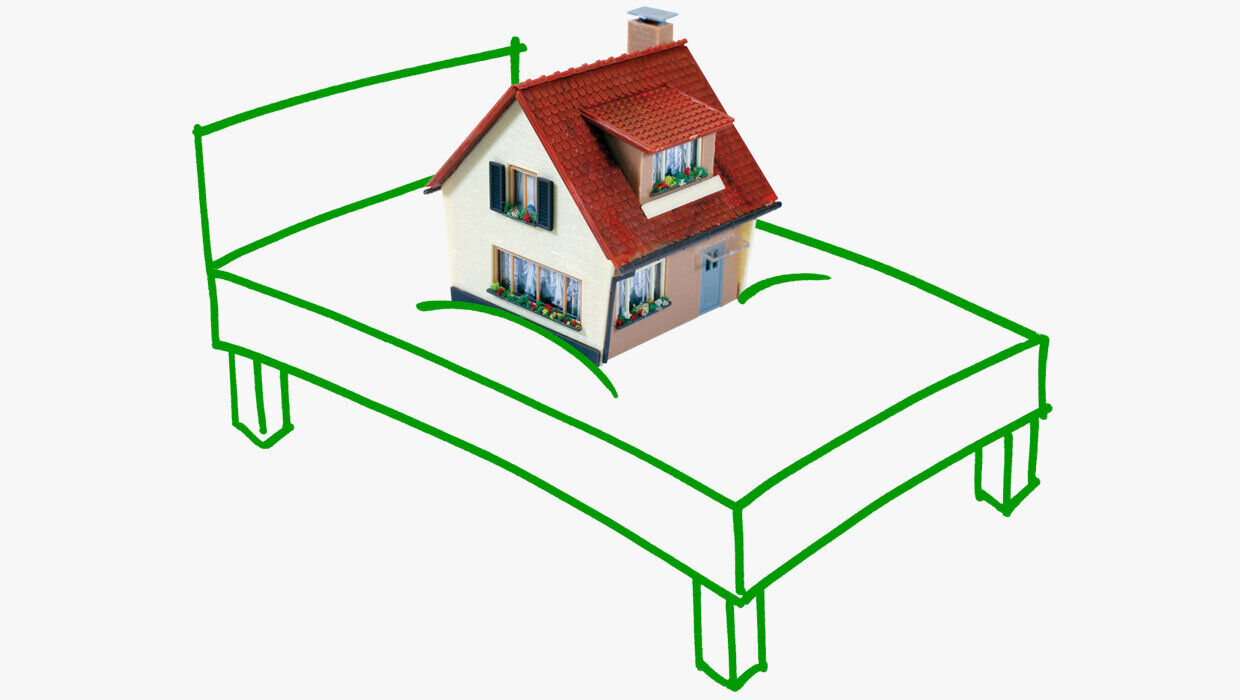
Transferring the focus of elderly care from state level to the local level, and deinstitutionalization of elderly care, should allow the development of alternative forms of care for the elderly, with prolonged living in their own homes.