Learning through movement for health
The lack of information for sick people on vacation is the reason why many patients and their families feel insecure and decide to take a "passive" vacation at home.
Telemedical services, in addition to protecting personal information, require absolute discretion of health-related data.
Master the challenges of independence and self-determination with expert support and effective communication, and secure attention and care.
An individual’s or family’s initiative can be more efficient than rigid system structure.
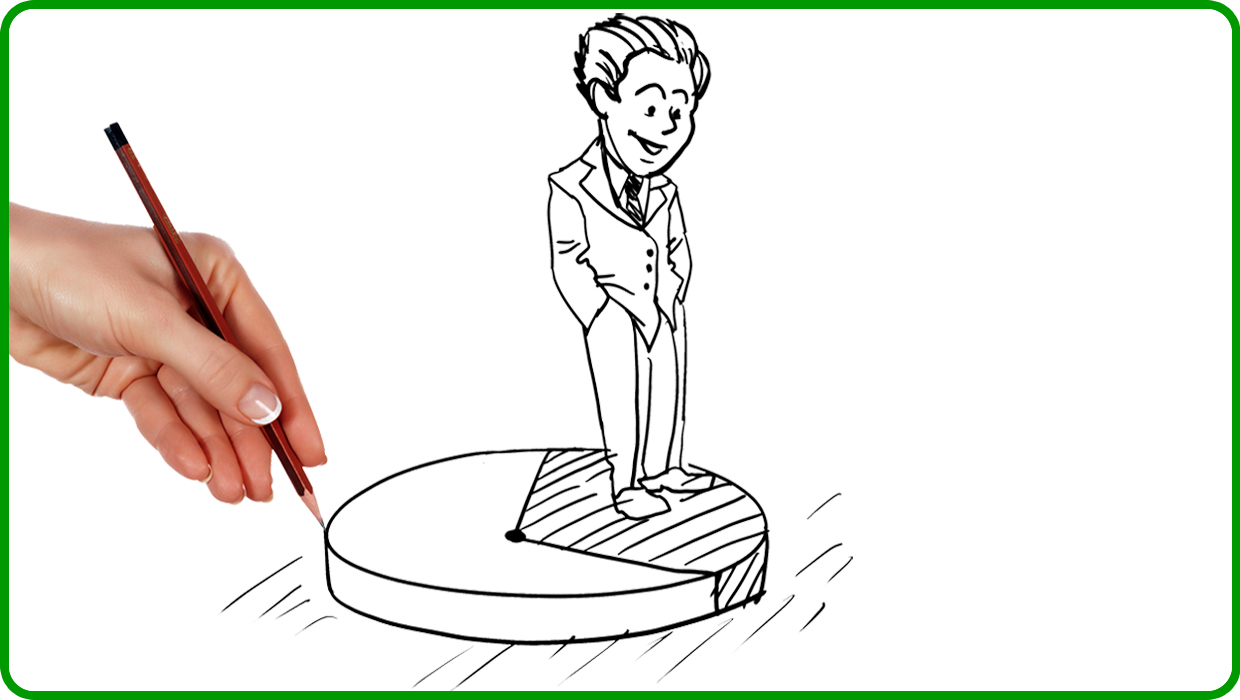
We look at health from the point of view of the insurance company, the employer and the family. The costs of illness are often invisible. They are unpredictable and high. Surprising and problematic are especially the indirect costs.
Active and productive aging involves promoting activity, maintaining health, fostering inclusion and social support, and improving the quality of life of older adults through a transdisciplinary approach.
The practice of second opinion involves exploring alternatives, managing complex problems and seeking external validation while upholding ethical standards.
One of the fears we all face sooner or later in life is: “How will I afford care in my old age?”
Intellectual and material resources can be capitalized to the benefit and well-being of all participants.
Transferring the focus of elderly care from state level to the local level, and deinstitutionalization of elderly care, should allow the development of alternative forms of care for the elderly, with prolonged living in their own homes.
Let's discover the opportunities offered by transdisciplinary education and training to maintain and improve the quality of life of sick people.
The separate status of the competence of health insurance and social insurance for long-term care is of utmost importance!
It is important to learn how to make the most of the short time that doctors can dedicate to each patient.