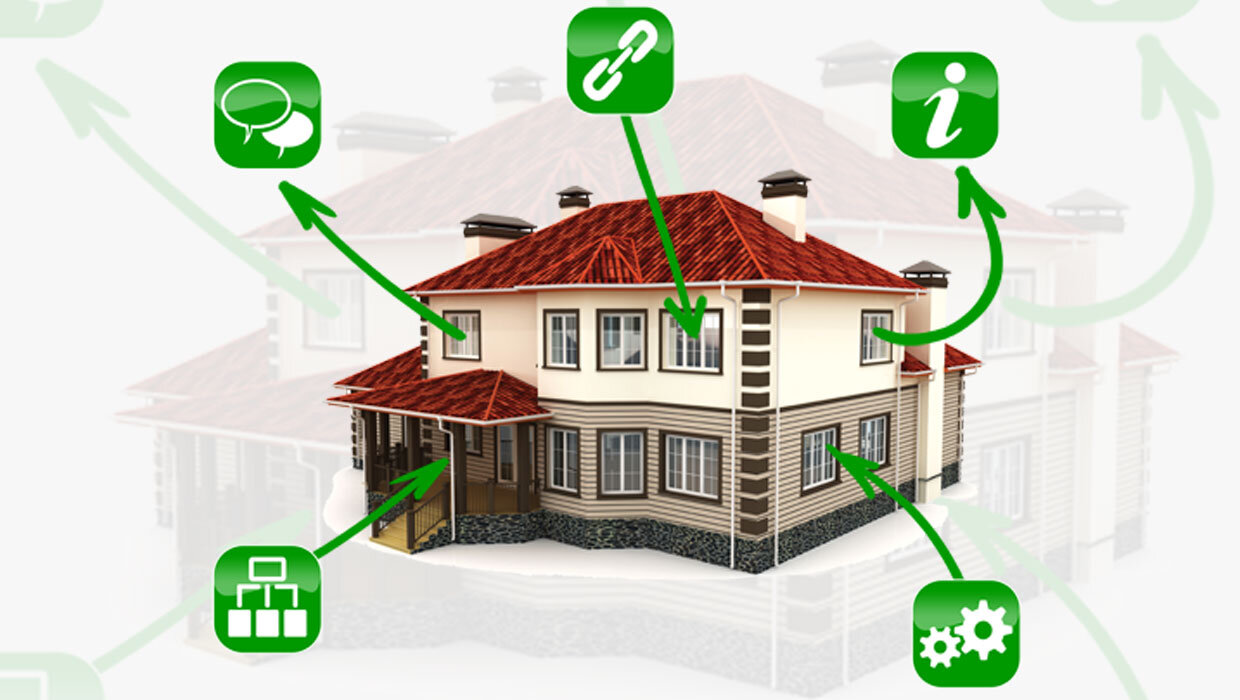

Insurance as an intersection and a link
The separate status of the competence of health insurance and social insurance for long-term care is of utmost importance!
An individual’s or family’s initiative can be more efficient than rigid system structure.
We look at health from the point of view of the insurance company, the employer and the family. The costs of illness are often invisible. They are unpredictable and high. Surprising and problematic are especially the indirect costs.
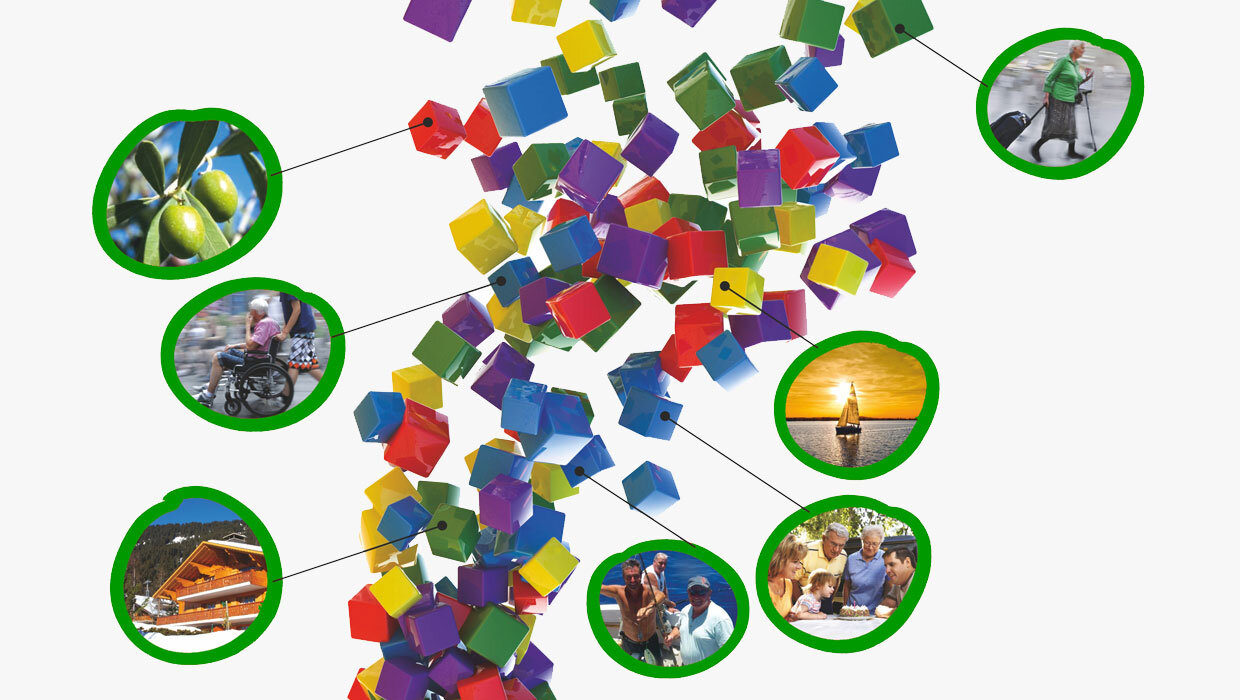
Active and productive aging involves promoting activity, maintaining health, fostering inclusion and social support, and improving the quality of life of older adults through a transdisciplinary approach.
The practice of second opinion involves exploring alternatives, managing complex problems and seeking external validation while upholding ethical standards.
Analyzing local and global conditions, plans and trends leads to the conclusion that mobile healthcare and welfare services should be developed, improved and integrated into tourism. And vice versa, integration of health into tourism!
Due to the extremely high cost of housing and the exceptionally high proportion of single persons and childless couples in the population over 50, the needs and interests of expatriates and their families with regard to the use of health and social services in the country of origin are significant.
The lack of information for sick people on vacation is the reason why many patients and their families feel insecure and decide to take a "passive" vacation at home.
Telemedical services, in addition to protecting personal information, require absolute discretion of health-related data.
It is important to learn how to make the most of the short time that doctors can dedicate to each patient.
Being healthy allows professional success, smooth running of family life, enjoying a vacation, building a home, and planning for the future…
By questioning stereotypes, we hope to contribute to a more accurate and nuanced understanding of older people and aging.