My doctor won’t talk to me!
It is important to learn how to make the most of the short time that doctors can dedicate to each patient.
By questioning stereotypes, we hope to contribute to a more accurate and nuanced understanding of older people and aging.
One of the fears we all face sooner or later in life is: “How will I afford care in my old age?”
Intellectual and material resources can be capitalized to the benefit and well-being of all participants.
Let's discover the opportunities offered by transdisciplinary education and training to maintain and improve the quality of life of sick people.
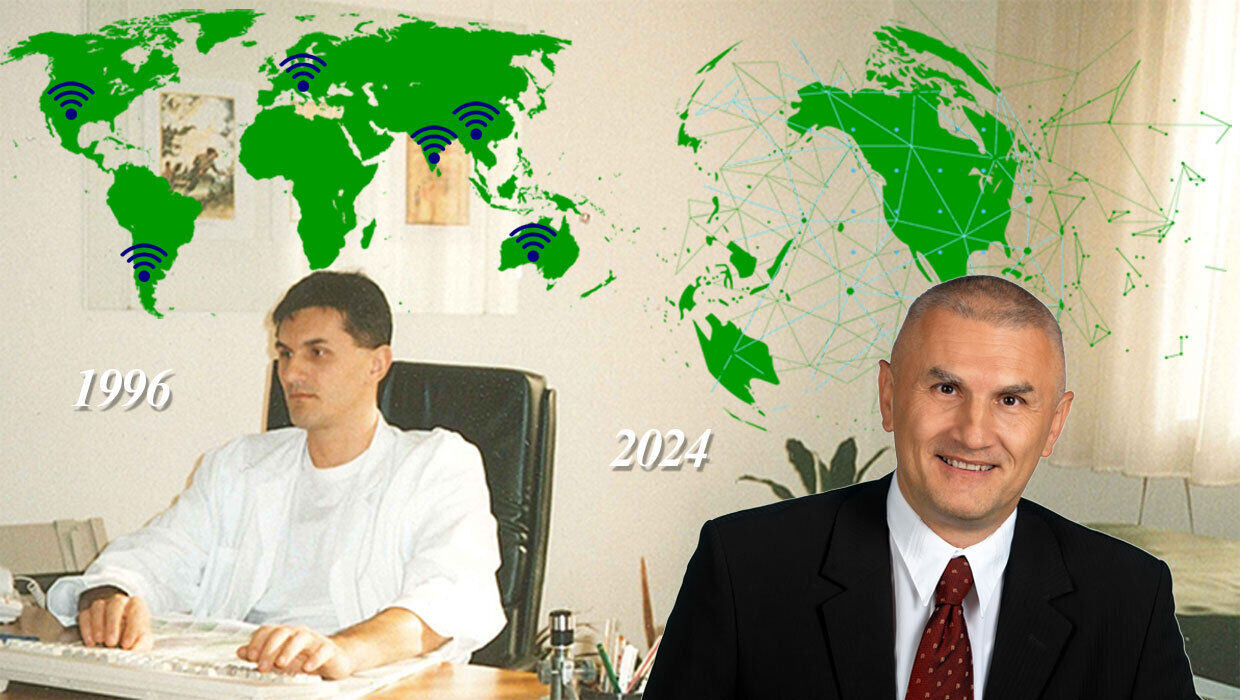
Modern communications allow patients to make independent decisions and service choices.
We look at health from the point of view of the insurance company, the employer and the family. The costs of illness are often invisible. They are unpredictable and high. Surprising and problematic are especially the indirect costs.
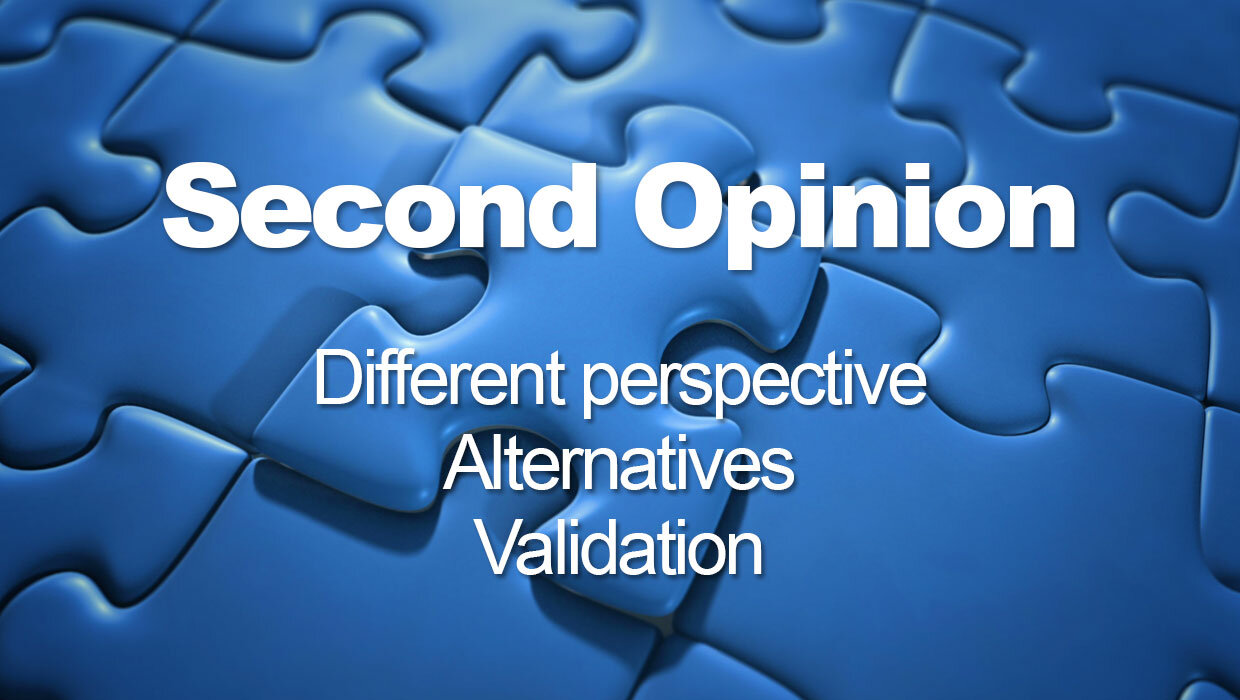
The practice of second opinion involves exploring alternatives, managing complex problems and seeking external validation while upholding ethical standards.
Bring your own opinion to the table and enjoy open discussions on the key issues shaping your future.
Due to the extremely high cost of housing and the exceptionally high proportion of single persons and childless couples in the population over 50, the needs and interests of expatriates and their families with regard to the use of health and social services in the country of origin are significant.
Telemedical services, in addition to protecting personal information, require absolute discretion of health-related data.
Being healthy allows professional success, smooth running of family life, enjoying a vacation, building a home, and planning for the future…
The increased demand for short-term and occasional care, the high demands of users of health and social services are some of the challenges of modern society. The answers to how to provide funds for the care of the aging population lie in the exchange of experience and knowledge. How do personal needs assessments work for the individual and the family?