The hybrid society in the lens of the topic of the month
Over the past decade, consumerism has led to new ways of communicating and new rules of conduct for all those involved in healthcare and aging.
One of the fears we all face sooner or later in life is: “How will I afford care in my old age?”
Intellectual and material resources can be capitalized to the benefit and well-being of all participants.
Transferring the focus of elderly care from state level to the local level, and deinstitutionalization of elderly care, should allow the development of alternative forms of care for the elderly, with prolonged living in their own homes.
Let's discover the opportunities offered by transdisciplinary education and training to maintain and improve the quality of life of sick people.
The separate status of the competence of health insurance and social insurance for long-term care is of utmost importance!
We uncover trends and insights in the field of modern health at our regular Jour-fixe, held every first Monday of the month, featuring dynamic discussions, knowledge exchange, and support from experts worldwide.
It is important to learn how to make the most of the short time that doctors can dedicate to each patient.
Being healthy allows professional success, smooth running of family life, enjoying a vacation, building a home, and planning for the future…
The first Tuesday of the month is reserved for discussions on active aging, focusing on the interests of our subscribers. Active participation and sharing of experiences among participants are also supported by experts from various professions.
By questioning stereotypes, we hope to contribute to a more accurate and nuanced understanding of older people and aging.
The increased demand for short-term and occasional care, the high demands of users of health and social services are some of the challenges of modern society. The answers to how to provide funds for the care of the aging population lie in the exchange of experience and knowledge. How do personal needs assessments work for the individual and the family?
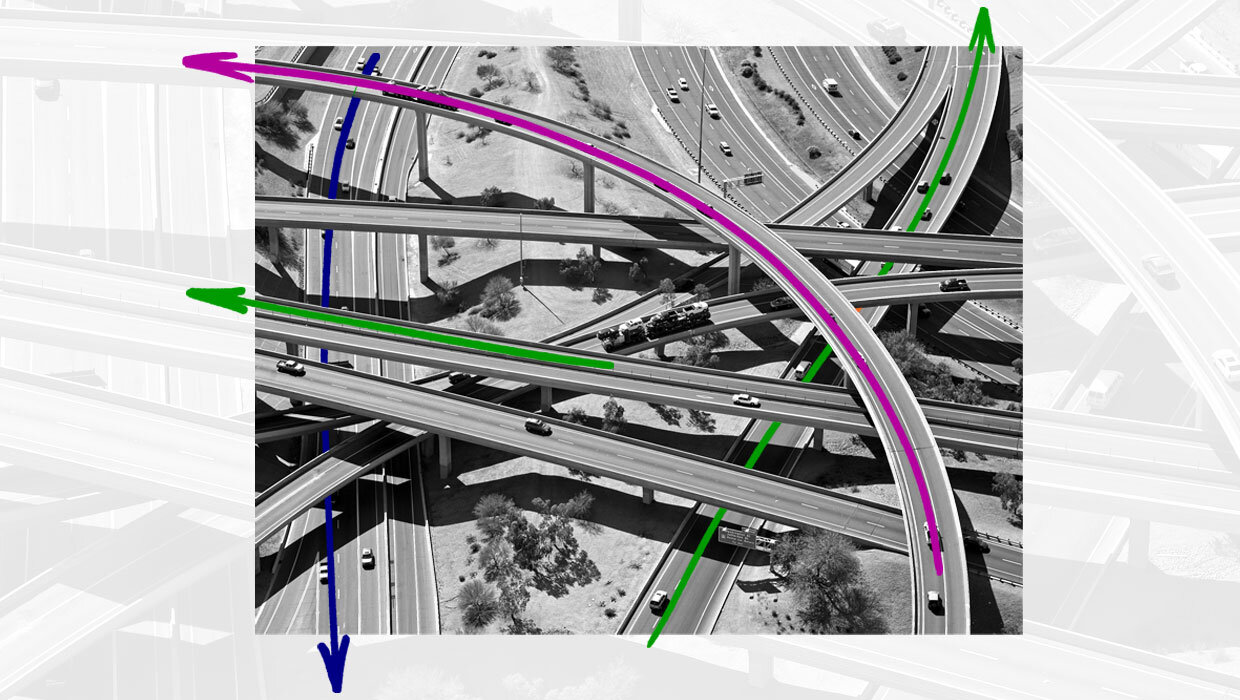
Old age is a normal physiological phenomenon and the only secure future for every human being, and aging is considered the greatest achievement of the 21st century. In which direction to go?